Totemo and Lambda Save the World
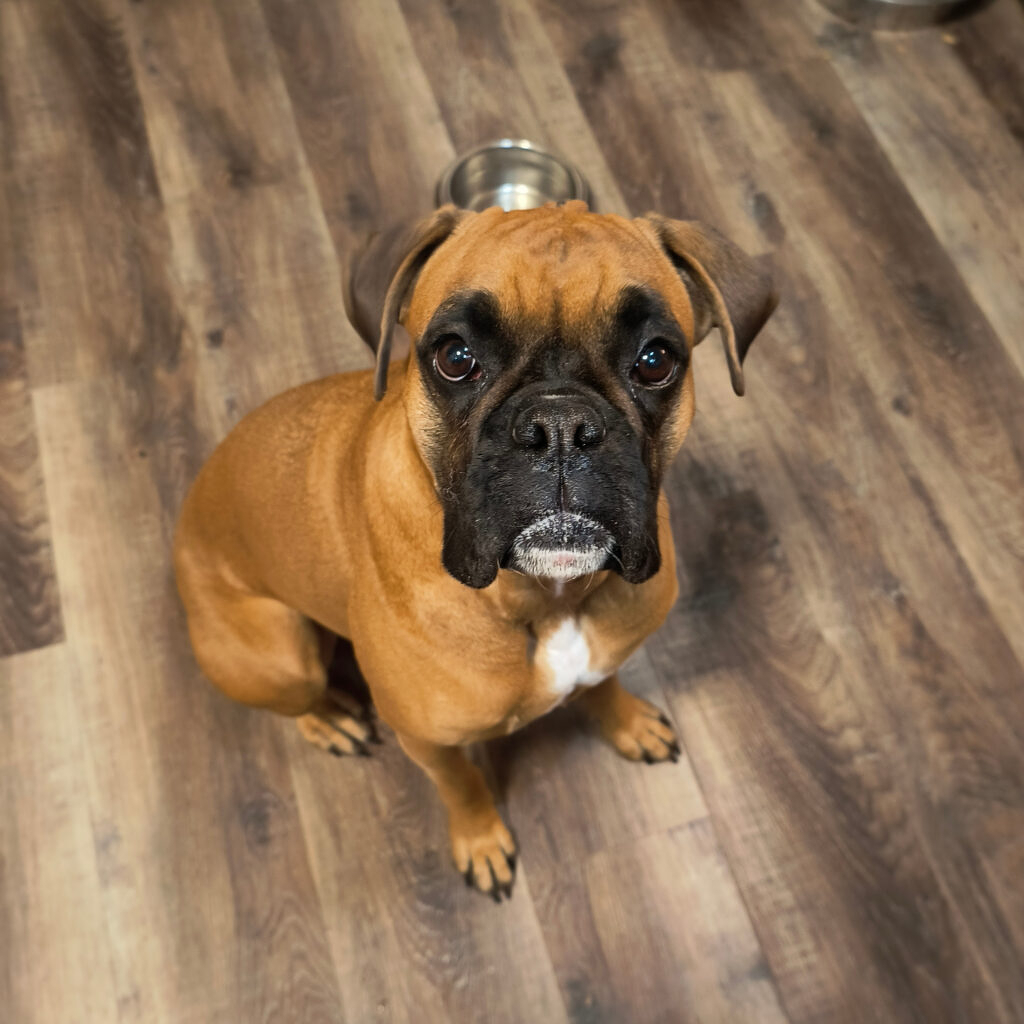
People who follow me on social media are already familiar with my characters Totemo Isogashii and Lambda. Lambda, of course, is a NeoBoxer.
I write about them pretty often. I’ve just finished a new novelette that features them and, since I’ve been thinking about them a lot, I thought I might offer a little background for fans.
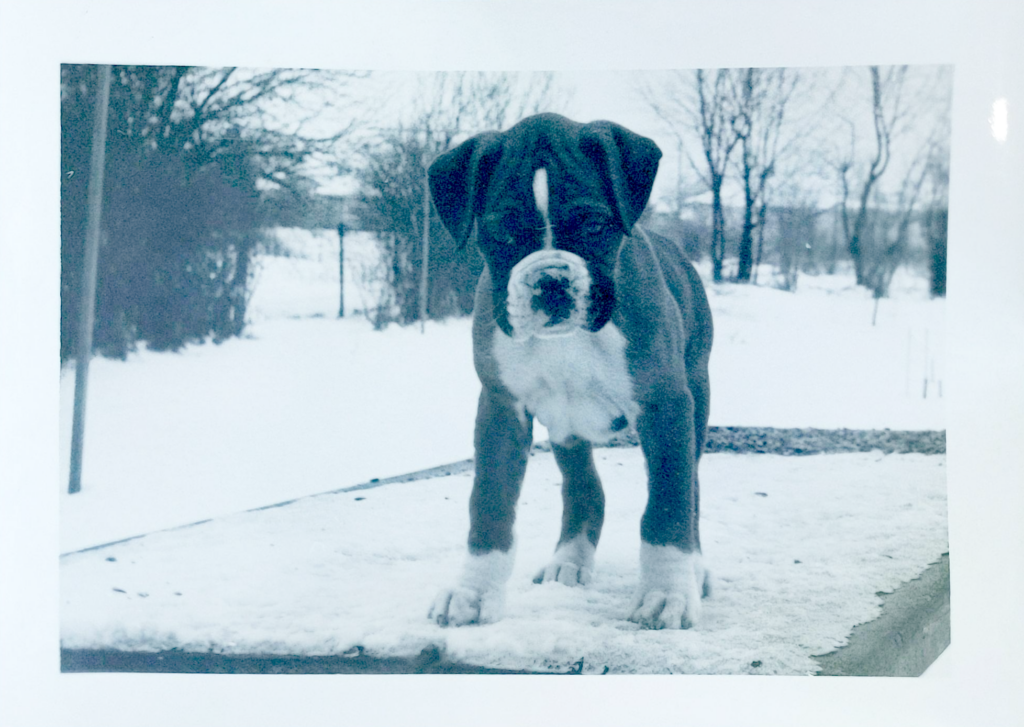
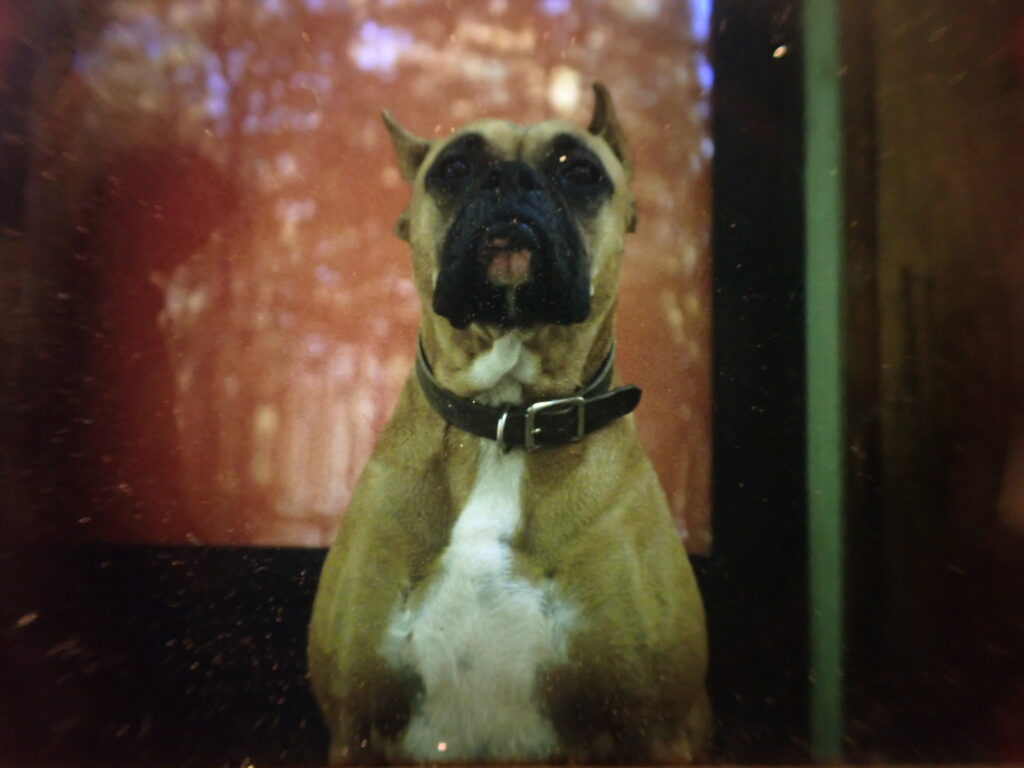
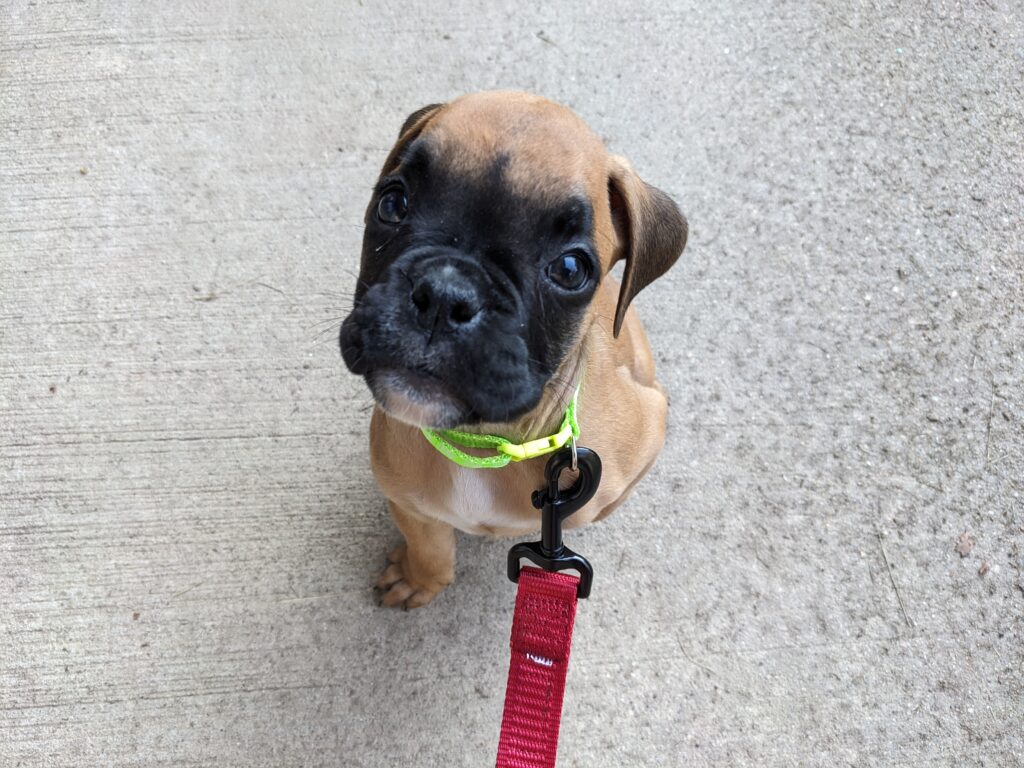
Note: The picture is of my son’s boxer dog Tanuki. For some reason, the description of Lamba is nearly identical.
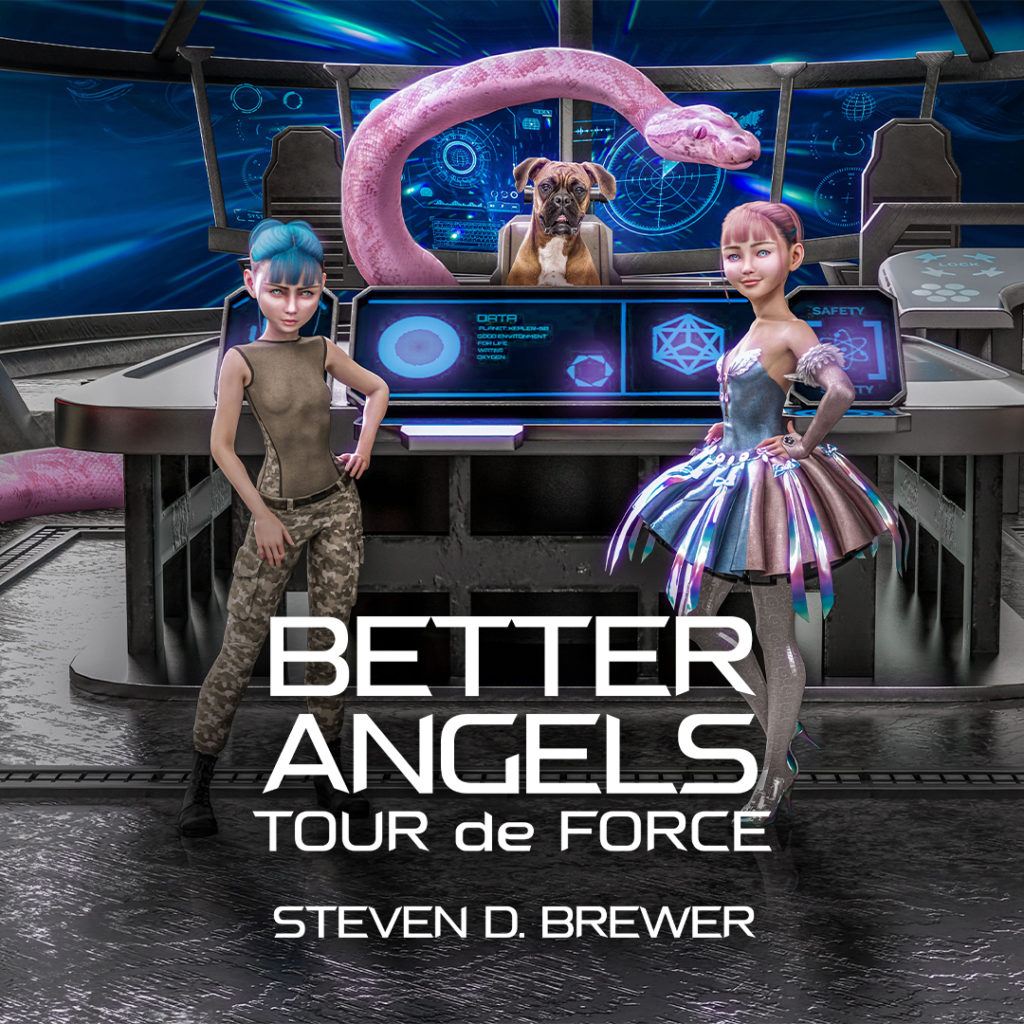
Three years ago, when I was writing Better Angels: Tour de Force, I wanted to write a story about Tau that was inspired by Lady and the Tramp, I called it The Better Angels and Lambda and Tau. Tau has learned that a girl NeoBoxer, Lambda, has come to the Truck Stop, but he’s depressed because she says she’s too busy to go on a date. The Better Angels and their allies wage a campaign to keep her partner, Totemo Isogashii, occupied for long enough for Tau to put the moves on Lambda. It’s the sort of fluff that led me to call the Better Angels stories fluffy military space opera.
In the years since I wrote that silly little story about Totemo Isogashii and Lambda, I’ve written dozens — maybe a hundred — little bits of microfiction about them. Here’s one example:
“I can’t believe I let you talk me into this,” Totemo said. She and Lambda were laying on the floor in a sunbeam.
Lamba lay on her back with her muppies splayed out. She wuffed, softly.
“I can’t relax,” Totemo said. “I’ve got so much to do and, instead, I’m just laying around here.”
Lambda had persuaded Totemo to sign up for a day-long cat-guided* rest day. Their facilitator was Tama, a fluffy, white cat with blue eyes.
After going out at dawn to hunt voles, they had spent hours just laying in the sun, moving periodically as the light moved across the floor.
Someone rang a triangle in the other room. Tama sprang to her feet and ran toward the sound.
“I hope it’s lunch!” Totemo said.
They arrived in the kitchen where three bowls were set on the floor. Tama was already eating out of one. Lambda took the second.
Totemo considered her options.
*Note: this was inspired by seeing an ad for a “cat-guided field trip” where people would pay money to go follow a cat around in the forest. Really.
Totemo and Lambda also show up in my novelette Bearly Believable, which is scheduled to appear in Hexfiled this month. As I’ve learned more about the characters, I decided to finally write the story of how they meet. It’s set, appropriately enough, on the planet Holufinia, the origin world of NeoBoxers.
I originally wrote about NeoBoxers in the same time frame as some of my very earliest SFF writing, more than twenty years ago. The first working title was “Happiness is a Warm Puppy.” As I was writing Better Angels, I pulled out that old manuscript and reworked it as a Truck Stop story. I added some stuff and cut a lot of stuff, and retitled it Hope is a Cloned Puppy. From that manuscript, here is my earliest description of a NeoBoxer:
Tawny, with a black face, Beta was the NeoBoxer that had been provided to assist the crew. Beta was a dog, but not just any dog. NeoBoxers were the product of hundreds of years of selective breeding and not a small amount of genetic engineering. Created to lend their keen noses and stout hearts to any adventure, they also sought to forge strong bonds of loyalty among the crew. Beta gamboled among the crew members nudging them with his muzzle to encourage bonding.
Pascal admired his ability to work with both sides of the crew and his single-minded focus when he found a problem that was within his range of capacities. Beta could sense that there was division in the crew and he worked tirelessly to bring both sides together into a single pack with a common purpose.
The setting, Holufinia, is a distant world in the galaxy that got cut off after a disastrous civil war took down their advanced technology and the wormhole that connected them with galactic civilization. In Hope is a Cloned Puppy, we learn how the planet gets reconnected to the larger galactic civilization, we’re introduced to NeoBoxers, and we learn the origin of Tau, the NeoBoxer that lives on the Truck Stop.
I offered the manuscript as a story for the Truck Stop. But, after Better Angels came out, the publisher seemed to abandon the Truck Stop universe. I don’t believe any story has come out since. He never explained to me why. I was disappointed because I thought the shared universe idea was fun and wrote several other stories for it, including at least three more Better Angels stories.
The working title of my new story was “Totemo and Lambda Save the World.” The finished title is You Can’t Change Just One Thing. I would classify the story as Hopepunk. The book is primarily about the ecology of Holufinia. The title is a riff on Garrett Hardin’s Iron Law of Ecology, “You can never do just one thing.” Anything you do in an ecosystem touches everything else. We also learn how Totemo and Lambda meet, and the ways that meeting changes Totemo’s life.
I really love the characters. Totemo is an earnest, take-charge scientist. She’s abrasive and hard-driving, always working harder and smarter than anyone else. Lambda is the one with a sense of humor. She’s equally smart and capable, but she is always looking out for her human partner and not above using subterfuge to get her to take better care of herself and attend to her own needs. And she’s happy to have a little fun while doing it.
I keep coming back to NeoBoxers. When my oldest son was in first grade, he had an assignment to write every day. And after he’d written something, he was allowed to illustrate it with a picture. The first day, he wrote, “SUPER DOG SAVES THE DAY!” and provided an illustration of a boxer dog wearing a cape. The next day he wrote, “SUPER DOG SAVES THE DAY AGAIN!” and drew a similar picture. He did the same for every day that followed. Like father like son, I guess.
Anyway, I’m very pleased with the story and will shortly start submitting it for publication. I’m hopeful it will find a home soon and I will be able to share it with you.